End-of-Life Vehicle Recycling: Complete Guide to EU Regulations
Every year, approximately 6 million vehicles reach the end of their useful life across Europe. How these end-of-life vehicles (ELVs) are handled has enormous environmental and economic implications. The EU has established a comprehensive regulatory framework to ensure that vehicle disposal is safe, sustainable, and resource-efficient. This guide explains the key regulations and what they mean for vehicle owners, businesses, and the automotive industry.
What Is an End-of-Life Vehicle?
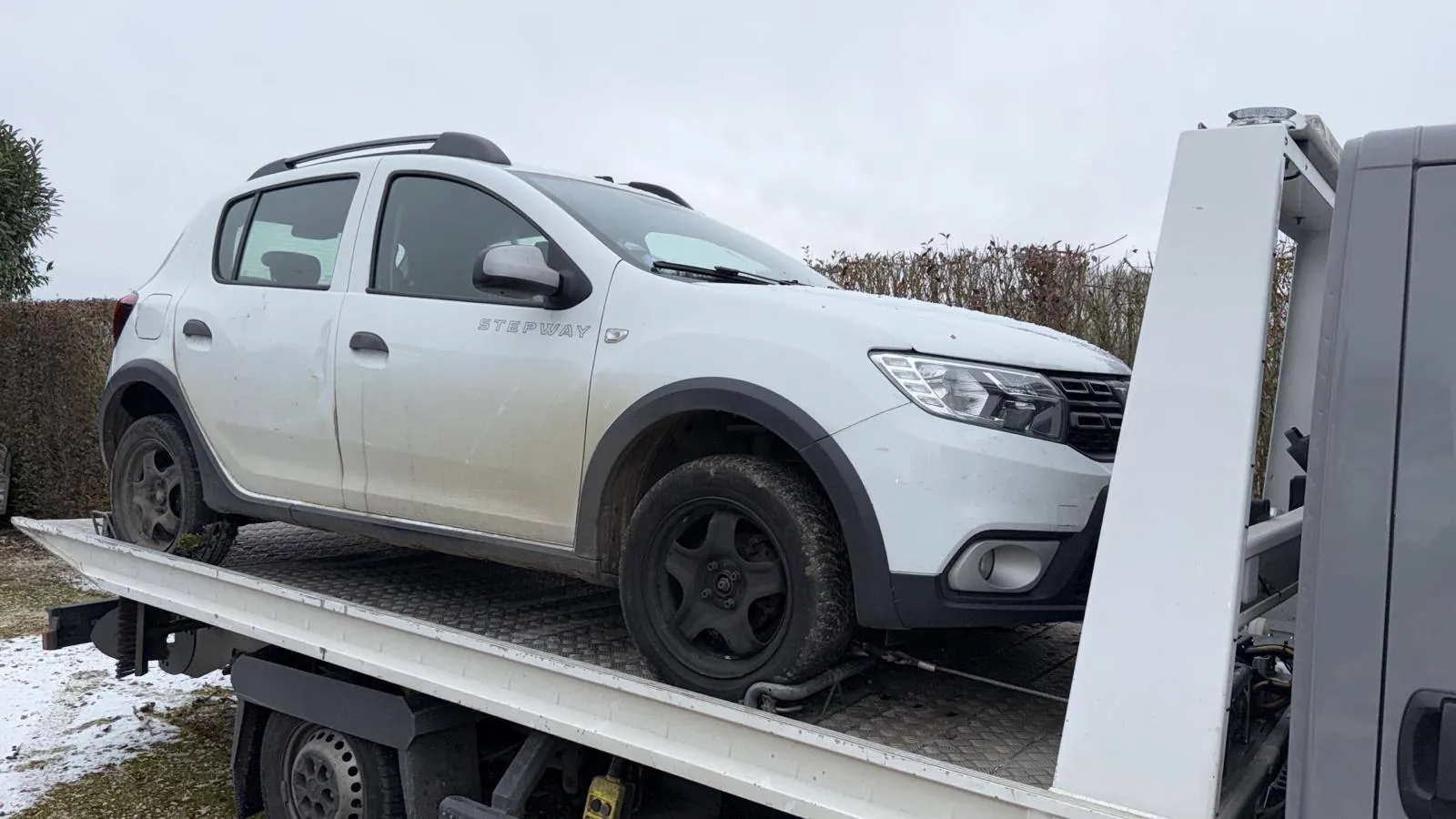
An end-of-life vehicle is any motor vehicle that is classified as waste under EU regulations. This typically includes vehicles that are no longer roadworthy, have been written off by insurers, or have been abandoned. Under EU law, these vehicles must be processed through authorised treatment facilities — not simply dumped or left to deteriorate.
The EU End-of-Life Vehicles Directive
The cornerstone of European vehicle recycling regulation is the ELV Directive (2000/53/EC). Its key requirements include:
- 95% recovery rate — at least 95% of a vehicle's weight must be recovered (recycled or used for energy recovery)
- 85% recycling rate — at least 85% must be genuinely recycled (material recovery)
- Free take-back — vehicle owners must be able to deliver their ELV to an authorised facility free of charge
- Hazardous substance restrictions — limits on the use of lead, mercury, cadmium, and hexavalent chromium in vehicle components
- Certificate of Destruction — owners receive an official certificate confirming their vehicle has been properly deregistered and processed
The Proposed New ELV Regulation
The European Commission has proposed a new regulation to replace and strengthen the existing directive. Key changes include:
- Mandatory recycled content — new vehicles will need to contain minimum percentages of recycled plastics and other materials
- Design for recyclability — manufacturers must design vehicles to facilitate easier dismantling and recycling
- Digital vehicle passports — providing full material composition data for each vehicle
- Extended producer responsibility — manufacturers will bear greater financial responsibility for end-of-life vehicle processing
- Stricter enforcement — addressing the issue of "missing vehicles" that are exported or illegally scrapped
These changes align with the broader goals of the automotive circular economy in Europe.
Your Obligations as a Vehicle Owner
If you have a vehicle that has reached end of life, you must:
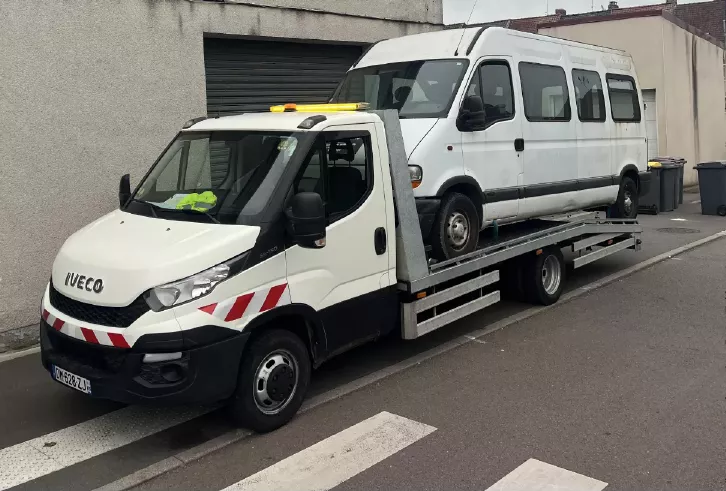
- Deliver it to an authorised treatment facility or use an approved scrap removal service
- Obtain a Certificate of Destruction from the treatment facility
- Deregister the vehicle with your national vehicle registration authority
- Never abandon a vehicle on public or private land — this is illegal in all EU member states
The Vehicle Recycling Process
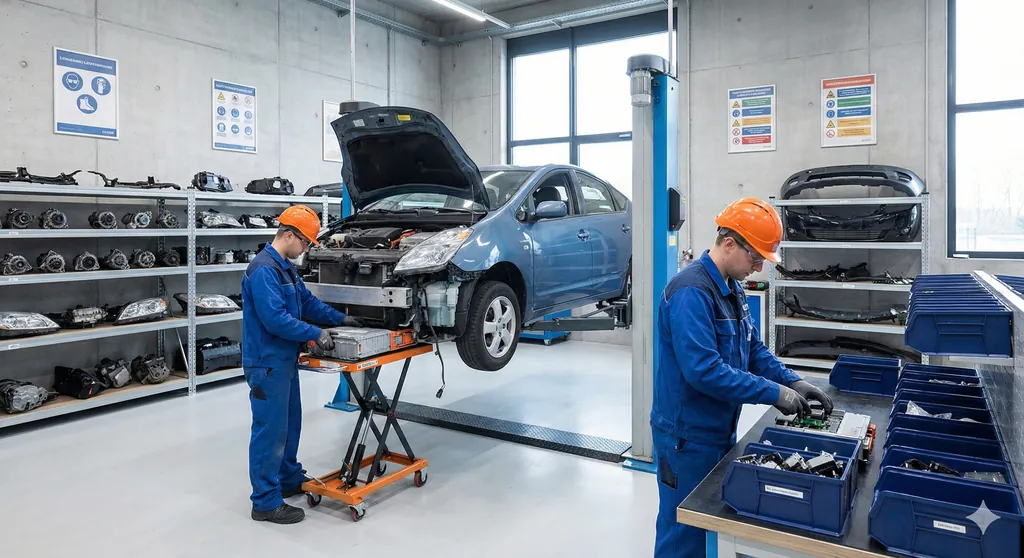
At an authorised treatment facility, an end-of-life vehicle goes through several stages:
- Depollution — removal of all fluids (fuel, oil, coolant, brake fluid), the battery, airbags, and other hazardous components
- Dismantling — recovery of reusable parts such as engines, gearboxes, body panels, and electronic components
- Shredding — the remaining shell is shredded and the materials separated by type (ferrous metals, non-ferrous metals, plastics)
- Material recovery — separated materials are sent to specialised recyclers for processing into secondary raw materials
Special Considerations for Electric Vehicles
The recycling of electric vehicles presents additional challenges and requirements. EV batteries contain hazardous materials and must be handled by specially trained personnel. For more information, see our detailed guide on EV battery recycling. InterCar's EV solutions team specialises in the safe removal, assessment, and recycling of electric vehicle batteries.
How InterCar Supports Responsible Vehicle Recycling
InterCar is committed to making end-of-life vehicle disposal as simple and responsible as possible. Our services include:
- Free scrap vehicle collection — we collect your end-of-life vehicle at no cost through our scrap removal service
- Authorised processing — all vehicles are processed through certified treatment facilities
- Certificate of Destruction — we handle all the paperwork, ensuring you receive the official documentation you need
- Maximum material recovery — our recycling partners achieve recovery rates well above the EU minimum requirements
Whether your vehicle is simply too old to repair or has been written off in an accident, InterCar ensures it is recycled responsibly, in full compliance with EU regulations. You may also be eligible for scrap car incentives and bonuses available in many European countries.