Electric Vehicle Battery Recycling: What You Need to Know
Electric vehicles are central to Europe's vision for sustainable transport. But as EV adoption accelerates, a critical question arises: what happens to the batteries when they reach end of life? EV battery recycling is one of the most important — and complex — challenges facing the automotive industry today. Here is what you need to know.
Why EV Battery Recycling Matters
A typical electric vehicle battery weighs between 300 and 700 kilograms and contains valuable materials including lithium, cobalt, nickel, and manganese. These materials are finite, often sourced from regions with significant environmental and ethical concerns, and are critical to the global energy transition.
Without effective recycling, millions of tonnes of spent EV batteries could end up in landfill, posing serious environmental risks. Conversely, successful recycling can:
- Recover up to 95% of critical raw materials, reducing dependence on mining
- Lower the carbon footprint of new battery production by up to 50%
- Reduce waste and prevent hazardous materials from entering the environment
- Strengthen Europe's supply chain security for battery materials
The Current State of EV Battery Recycling in Europe
Europe is rapidly building its EV battery recycling capacity. Several large-scale recycling facilities are now operational or under construction across the continent. Current recycling processes fall into three main categories:
- Pyrometallurgy — smelting batteries at high temperatures to recover metals. Established but energy-intensive
- Hydrometallurgy — using chemical solutions to extract materials. More precise and energy-efficient
- Direct recycling — recovering and reconditioning cathode materials directly. Emerging technology with the highest potential for sustainability
The industry is also exploring second-life applications, where batteries that no longer meet automotive performance requirements are repurposed for stationary energy storage — extending their useful life by 5 to 10 years before recycling.
European Regulations Shaping the Future
The EU Battery Regulation, which entered into force in 2023 and is being phased in progressively, sets ambitious targets for the battery value chain:
- Mandatory recycled content — new batteries must contain minimum levels of recycled cobalt, lithium, nickel, and lead
- Collection targets — member states must collect a rising percentage of portable and EV batteries
- Recovery rates — recyclers must recover at least 80% of lithium and 95% of cobalt, copper, and nickel by 2031
- Digital battery passports — providing full transparency on a battery's composition, origin, and lifecycle
These regulations position Europe as a global leader in sustainable battery management and create a clear framework for companies operating in this space. Learn more about the broader regulatory framework in our guide to EU vehicle recycling regulations.
Challenges in EV Battery Recycling
Despite progress, significant challenges remain:
- Battery diversity — different manufacturers use different chemistries, cell formats, and pack designs, making standardised recycling difficult
- Safety risks — damaged or degraded batteries can pose fire and chemical hazards during transport and processing
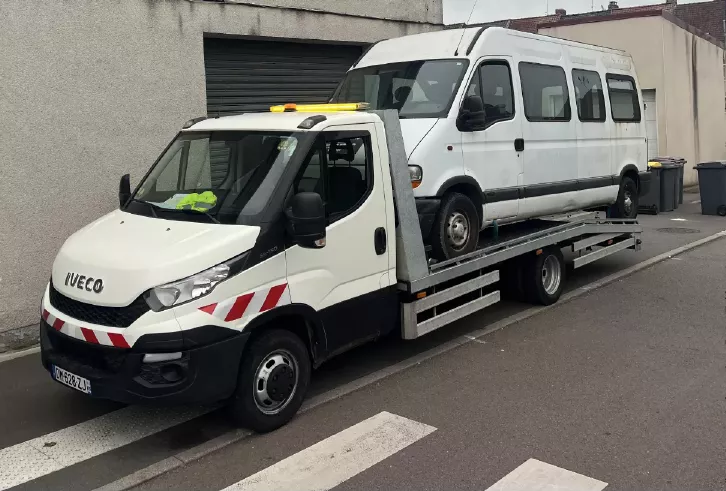
- Logistics — collecting and transporting heavy, hazardous batteries across Europe requires specialised infrastructure
- Cost — recycling remains more expensive than mining for some materials, though this gap is narrowing
How InterCar Is Leading in EV Battery Recycling
At InterCar, we recognise that responsible EV battery management is essential to a truly circular automotive economy. Our EV solutions approach includes:
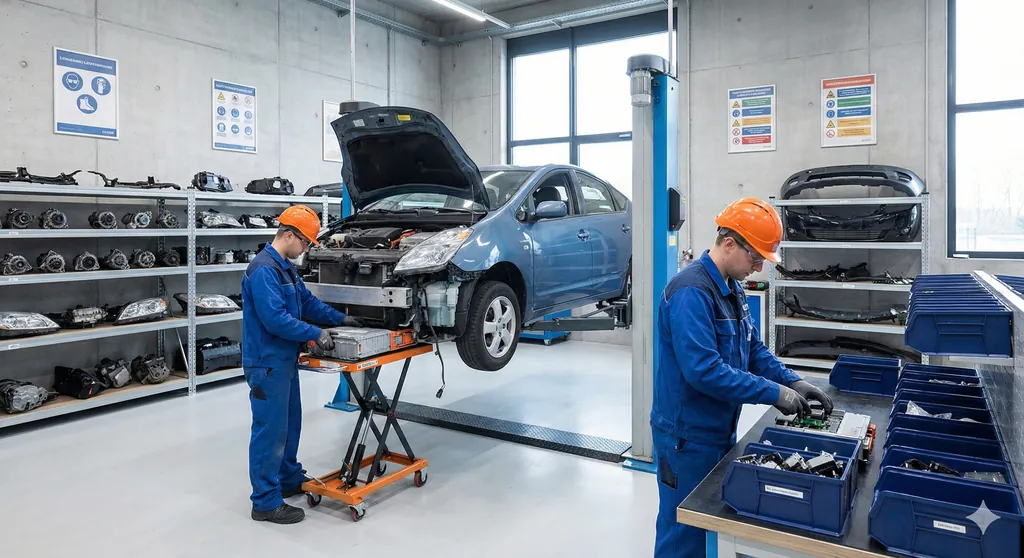
- Safe collection and transport — our trained teams handle EV batteries with full compliance with European safety and environmental regulations
- Second-life assessment — we evaluate every battery for potential reuse in energy storage applications before routing to recycling
- Certified recycling partners — we work with Europe's leading recycling facilities to ensure maximum material recovery
- Full traceability — our digital systems track every battery from vehicle to recycling facility, supporting compliance with the EU Battery Regulation
What EV Owners Should Know
If you own an electric vehicle, here are some key points to keep in mind:
- Most EV batteries are designed to last 8 to 15 years under normal use
- Manufacturer warranties typically cover batteries for 8 years or 160,000 km
- When your battery does reach end of life, you are legally required to dispose of it through an authorised channel
- InterCar can help — whether you need battery health assessment, second-life solutions, or end-of-life recycling
Thinking of selling your EV? Read our guide on how to assess your EV battery health before selling. The EV battery recycling industry is maturing rapidly, and Europe is at the forefront. At InterCar, we are committed to playing our part — ensuring that every battery is handled responsibly, sustainably, and in full compliance with European regulations.