The Future of Automotive Circular Economy in Europe
The European automotive industry is undergoing a profound transformation. As environmental regulations tighten and consumer awareness grows, the traditional linear model of "manufacture, use, dispose" is giving way to a more sustainable approach: the automotive circular economy. This shift is not just a trend — it is a structural change that will define the future of mobility across Europe.
What Is the Automotive Circular Economy?
The circular economy in the automotive sector focuses on maximising the lifecycle value of every vehicle and its components. Rather than sending end-of-life vehicles straight to the scrapyard, a circular approach emphasises:
- Reuse — extending the life of vehicles through resale, refurbishment, and certified second-hand programmes
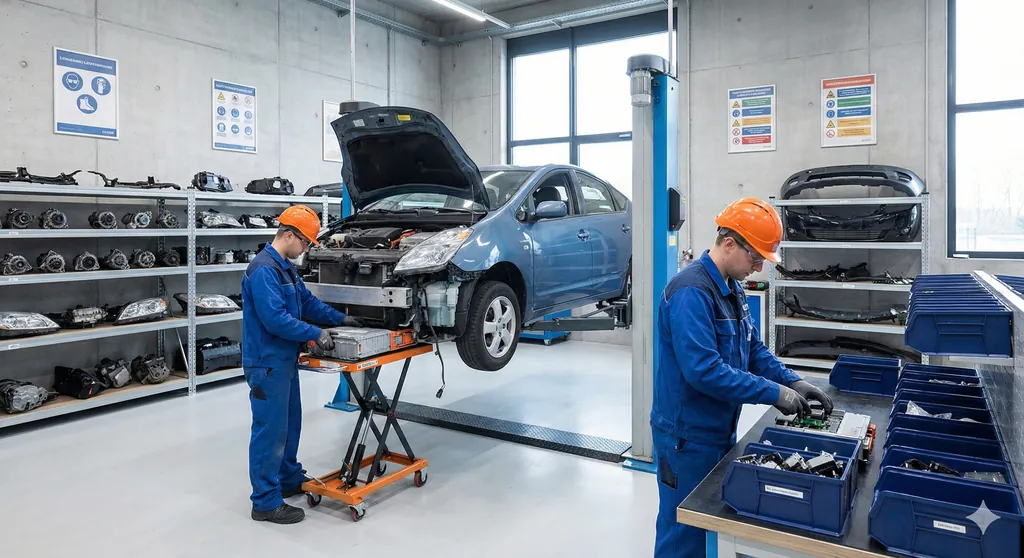
- Remanufacturing — restoring used parts and components to original specifications
- Recycling — recovering raw materials such as steel, aluminium, copper, and increasingly, lithium and cobalt from EV batteries
- Reduction — minimising waste at every stage, from production to disposal
European Regulatory Drivers
Europe is leading the global push towards automotive circularity. The EU End-of-Life Vehicles Directive already mandates that 95% of a vehicle's weight must be recovered. New proposals under the European Green Deal go further, introducing requirements for recycled content in new vehicles, digital product passports, and stricter rules on hazardous materials. For a detailed look at the regulatory landscape, see our guide on EU end-of-life vehicle recycling regulations.
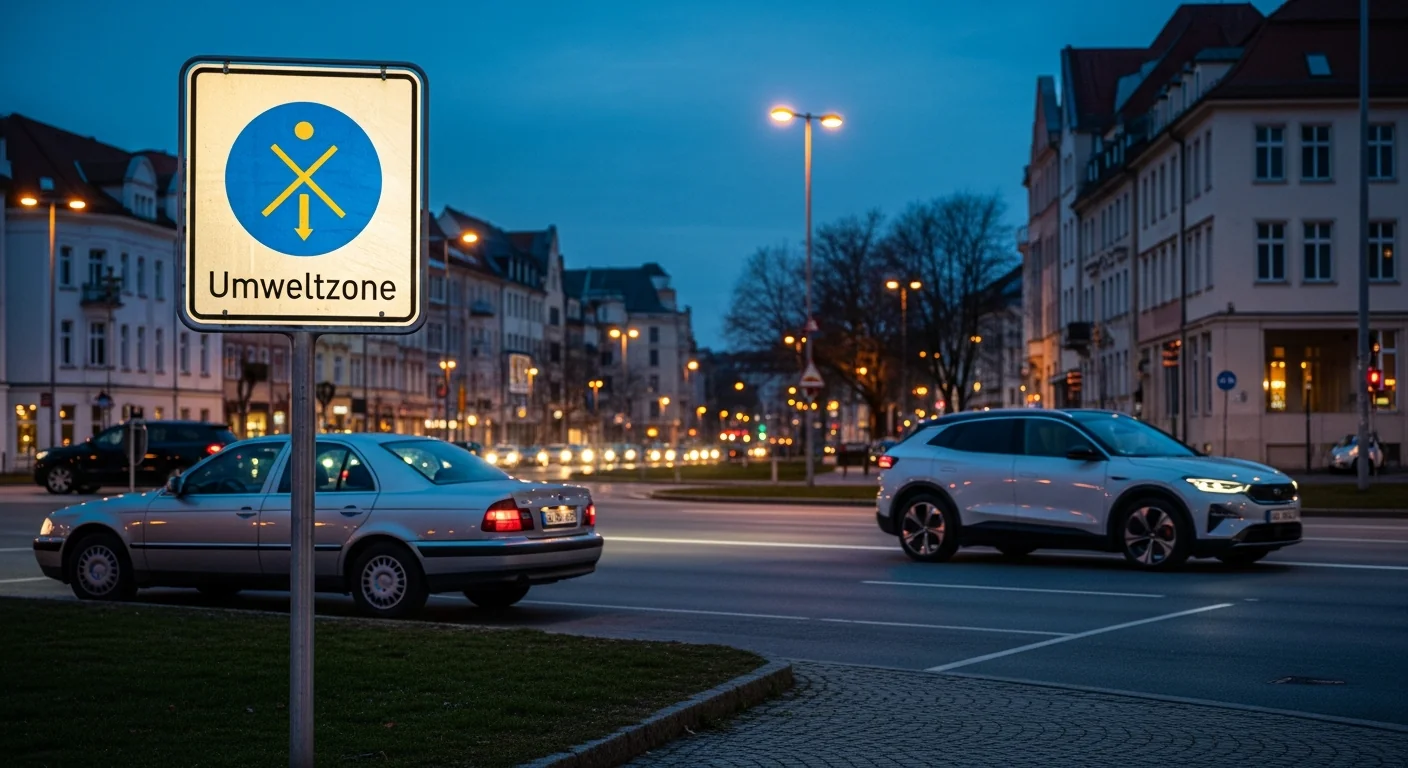
The Euro 7 emissions standards and the proposed ban on new internal combustion engine sales by 2035 are also accelerating the transition. As millions of ICE vehicles approach end of life in the coming decades, the need for sophisticated recycling and recovery infrastructure has never been greater.
The Economic Opportunity
The circular economy is not only an environmental imperative — it is a significant economic opportunity. According to recent industry reports, the European automotive circular economy could generate over €200 billion in value by 2030. This includes savings on raw materials, new revenue streams from remanufactured parts, and the creation of thousands of green jobs.
For consumers, the benefits are equally tangible. Access to affordable, quality-checked used vehicles, transparent pricing, and environmentally responsible disposal options are becoming key expectations in the modern car market.
Challenges Facing the Industry
Despite the momentum, significant challenges remain. The growing complexity of modern vehicles — particularly electric vehicles with their advanced battery systems and integrated electronics — makes recycling more technically demanding. Cross-border logistics within the EU add further complexity, as regulations and infrastructure vary between member states.
Building consumer trust is another critical factor. Buyers need confidence that used vehicles and recycled parts meet rigorous quality standards. This requires transparency, certification, and traceability throughout the value chain.
InterCar's Role in the Circular Transition
At InterCar, we are committed to driving the automotive circular economy forward across Europe. Our integrated platform connects vehicle buying, professional auctions, roadside assistance, EV battery recycling, and fleet management into a single ecosystem designed for sustainability.
By leveraging technology and data, we provide transparent vehicle valuations, streamline the resale process, and ensure that every vehicle reaching its end of life is processed responsibly. Whether you are selling a used car, sourcing parts through our auction network, or recycling an electric vehicle battery, InterCar makes the circular economy accessible and efficient.
Looking Ahead
The automotive circular economy in Europe is set for rapid growth. As regulations evolve, technology advances, and consumer expectations shift, companies that embrace circularity will lead the industry. InterCar is proud to be at the forefront of this transformation — building a more sustainable future for European mobility, one vehicle at a time.