Euro 7 Emissions Standards: What Changes for European Drivers from November 2026
The European Union is about to introduce the most comprehensive vehicle emissions regulation in its history. Euro 7, the successor to the current Euro 6 standard, enters into force on 29 November 2026 for all newly type-approved passenger cars and vans. By 29 November 2027, every new vehicle sold across the EU must comply. Whether you drive a petrol car, a diesel, or a fully electric vehicle, the new framework will affect the market in ways that go well beyond tailpipe pollution.
In this article we break down the key changes, explain who is affected, and outline what European motorists and fleet operators should do to prepare.
1. One Standard for All Combustion Engines
Under Euro 6, petrol and diesel vehicles were held to different nitrogen oxide (NOx) limits. Euro 7 eliminates that distinction. Both fuel types must now meet a single NOx limit of 60 mg/km, measured under real-driving conditions. For diesel cars this represents a meaningful tightening; for petrol models the change is less dramatic, but the unified ceiling simplifies compliance testing and closes loopholes that allowed certain engine configurations to emit more in practice than on paper.
Particulate matter (PM) and particle number (PN) limits are also being lowered, with stricter thresholds for ultrafine particles that are linked to respiratory and cardiovascular disease. Manufacturers that rely on older powertrain architectures may need to invest in upgraded catalytic converters, particulate filters, or selective catalytic reduction systems, costs that will eventually be passed on to buyers.
2. Non-Exhaust Emissions: Brakes and Tyres Under the Microscope
For the first time in EU history, Euro 7 regulates non-exhaust emissions. Every time a driver brakes, microscopic particles from brake pads and discs are released into the air. Tyre wear contributes a significant share of microplastic pollution in waterways and soil. Studies estimate that brake and tyre wear can account for up to half of all traffic-related particulate matter in urban areas.
Under the new rules, vehicle manufacturers must demonstrate that brake particle emissions remain below defined thresholds, and tyre abrasion rates must meet new limits set in coordination with tyre producers. This is expected to accelerate the adoption of low-dust brake pad materials and longer-lasting tyre compounds. For drivers, it means the components you fit during routine maintenance and servicing will increasingly need to meet Euro 7 specifications.
3. Real-World Testing Gets Tougher
Euro 6d already introduced Real Driving Emissions (RDE) tests alongside laboratory cycles, but critics argued the test windows were too narrow. Euro 7 widens the envelope considerably. Vehicles will now be tested under conditions that include:
- Short urban journeys of just a few kilometres, where engines and exhaust aftertreatment systems are still cold and least efficient.
- Ambient temperatures up to 45 °C, reflecting heatwaves that are becoming more frequent across southern and central Europe.
- Higher altitude driving and steeper gradients, capturing conditions common in Alpine and Scandinavian regions.
- Towing and high-load scenarios, which stress powertrains far more than motorway cruising.
The broader test matrix means that vehicles must be clean not just in ideal laboratory conditions but in the challenging, varied circumstances of everyday European driving. For fleet managers running vehicles across multiple countries and climates, this should translate into more predictable real-world emission performance and fewer nasty surprises at roadside spot checks.
4. Durability Requirements Double
Perhaps the most underreported change is the new durability mandate. Under Euro 6, emissions compliance was required for 5 years or 100,000 km, whichever came first. Euro 7 doubles that to 10 years or 200,000 km.
This is significant. It means emission-control hardware, from catalytic converters to particulate filters, must be engineered to last far longer. Manufacturers can no longer design systems that pass initial certification but degrade within a few years of normal use. For consumers, the upside is clear: vehicles should remain cleaner for a greater share of their working life, and the resale market benefits from cars that are demonstrably compliant at higher mileages.
Vehicles that do reach the end of their useful life can still be responsibly disposed of through professional end-of-life vehicle recycling services, ensuring that catalytic converters and other regulated components are handled in line with EU waste legislation.
5. Electric Vehicles Are Not Exempt
Euro 7 is not solely about combustion engines. For the first time, battery electric vehicles (BEVs) fall within the scope of a Euro emissions standard. The regulation introduces minimum battery durability requirements: manufacturers must guarantee that an EV battery retains at least 80% of its original capacity after a defined period and mileage threshold.
This tackles a long-standing concern among prospective EV buyers, namely that battery degradation could leave them with significantly reduced range after a few years. By setting a regulatory floor, the EU aims to boost consumer confidence and protect residual values. It also creates a level playing field: all manufacturers selling EVs in Europe must meet the same battery longevity baseline.
For businesses exploring electrification, our fleet electrification guide covers the practical steps for transitioning commercial fleets. And when EV batteries eventually reach end of life, understanding the options for EV battery recycling is essential to stay compliant and minimise environmental impact. InterCar also offers dedicated EV solutions to help owners and operators manage the full lifecycle of their electric vehicles.
6. What Will Euro 7 Cost Drivers?
The European Commission estimates that Euro 7 compliance will add between 250 and 850 euros to the price of a new vehicle, depending on the powertrain and the extent of engineering changes required. For small cars with simple engines, the increase is expected to sit at the lower end. Larger vehicles, SUVs, and those with more complex diesel aftertreatment systems will see higher cost impacts.
Industry groups have argued the real cost could be greater once development expenses are fully amortised, while environmental organisations contend that the health savings from reduced pollution will far outweigh the upfront premium. For budget-conscious buyers, the secondary market remains an attractive option. If you are considering buying or selling a vehicle, understanding where a car sits in the Euro emissions timeline can help you make a more informed decision.
7. Existing Cars: No Reason to Panic
A common misconception is that Euro 7 will force older vehicles off the road. That is not the case. The standard applies only to newly manufactured and newly registered vehicles. If you currently own a Euro 5 or Euro 6 car, you can continue to drive it normally. There is no retroactive requirement to upgrade, retrofit, or scrap your existing vehicle solely because Euro 7 has taken effect.
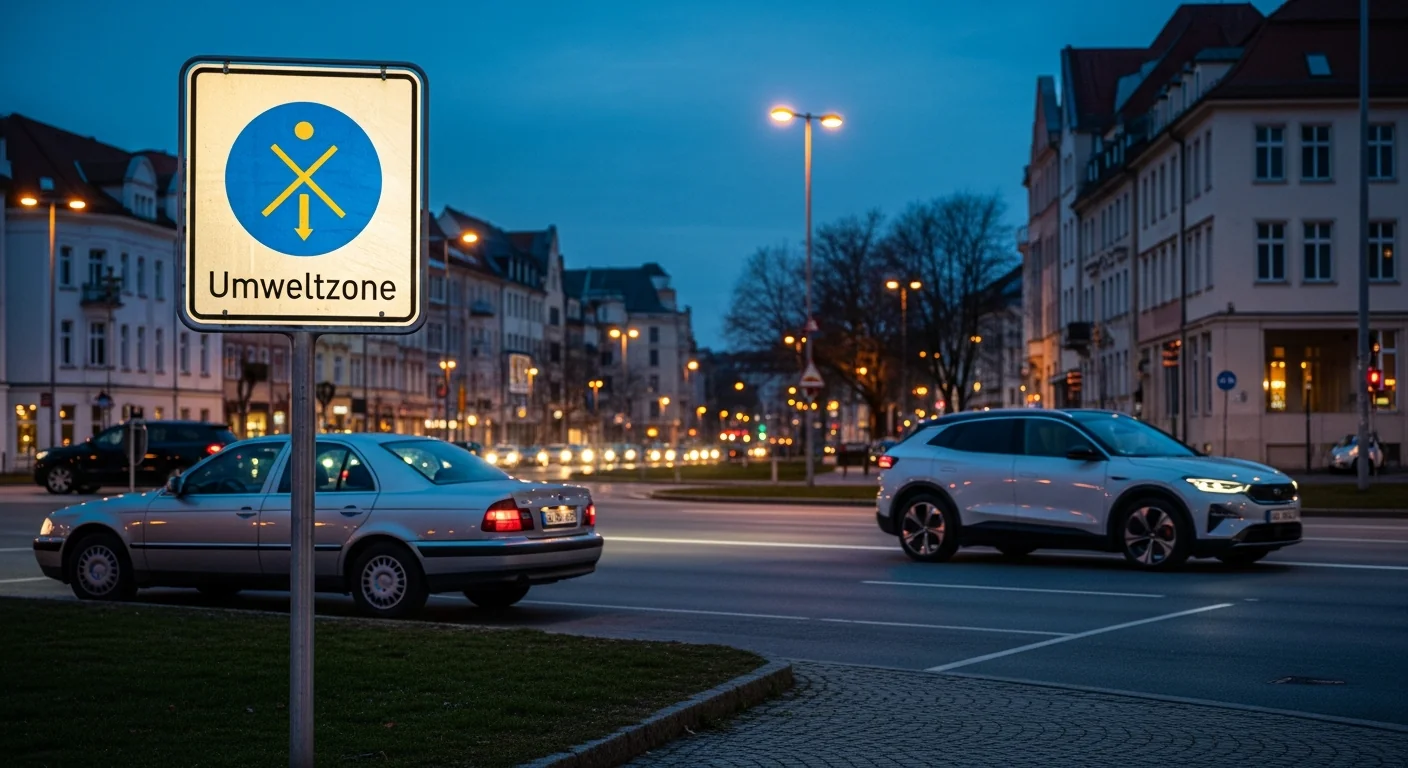
That said, some European cities are tightening their low-emission zones (LEZs) independently of Euro 7. Drivers of older vehicles should check local regulations, particularly in major urban centres in Germany, France, Belgium, and the Netherlands. If your vehicle no longer qualifies for LEZ access and you are weighing up whether to replace it, services such as scrap vehicle removal and government-backed scrap car incentive schemes can help offset the cost of transitioning to a compliant model.
8. The Bigger Picture: The 2035 Target and E-Fuels
Euro 7 does not exist in isolation. It forms part of the EU broader strategy to decarbonise road transport. The original plan called for a complete ban on new internal combustion engine (ICE) sales from 2035. However, under pressure from several member states and industry stakeholders, the European Commission softened its position. The revised target is a 90% reduction in CO2 emissions from new car fleets by 2035, with remaining emissions potentially offset through the use of synthetic e-fuels.
This compromise means that ICE vehicles running on certified carbon-neutral fuels may still be sold after 2035, provided they meet all other Euro 7 requirements. For the automotive aftermarket and service sector, this signals that combustion engines will remain part of the European vehicle fleet for decades to come, even as the overall mix shifts decisively toward electrification.
How to Prepare
With the first compliance deadline now less than eight months away, here is a practical checklist for drivers and fleet operators:
- Review your replacement cycle. If you are planning to buy a new vehicle in late 2026 or 2027, factor in the potential price increase and check whether your preferred model already carries Euro 7 type approval.
- Audit your fleet. Fleet management professionals should map out which vehicles will need replacing and model the total cost of ownership under the new standard.
- Understand local LEZ rules. Euro 7 national rollout may coincide with tighter local emission zone restrictions. Stay informed about the cities where your vehicles operate.
- Plan for EV battery lifecycle. If you are running electric vehicles, build battery health monitoring and eventual recycling or repurposing into your long-term budget.
- Stay compliant at end of life. When vehicles reach the end of their service, use certified recycling channels to ensure legal and environmentally sound disposal.
Final Thoughts
Euro 7 represents a meaningful step forward in reducing the environmental and health impact of road transport across Europe. By unifying emission limits, extending durability requirements, covering non-exhaust pollution, and bringing EVs into the regulatory framework for the first time, the standard sets a new baseline for what it means to put a vehicle on European roads.
For most existing car owners, daily life will not change. But for anyone buying a new vehicle, managing a fleet, or working in the automotive services sector, understanding Euro 7 is now essential. At InterCar, we are here to help European drivers and businesses navigate these transitions, whether that means finding the right EV solution, managing fleet compliance, or responsibly retiring vehicles that have reached the end of the road.