Car Recycling and Scrap Metal Prices Surge: How the Iran Conflict Creates Opportunity
Every geopolitical crisis reshapes economic realities — and the 2026 Iran conflict is no exception. While much of the automotive industry is focused on the negative impacts of the war — rising fuel costs, disrupted supply chains, delayed deliveries — there is one area experiencing a remarkable upswing: car recycling and scrap metal recovery.
As global commodity markets respond to supply disruptions and sanctions, the value of recycled metals has climbed to levels not seen in years. For vehicle owners with end-of-life cars, scrapyards, recycling businesses, and environmentally conscious consumers, this moment represents a genuine opportunity. Here is a comprehensive look at what is happening and how you can benefit.
Metal Prices Are at Multi-Year Highs
The Iran conflict has sent shockwaves through global commodity markets. Iran is a significant producer of steel, aluminium, and copper, and the combination of sanctions, trade restrictions, and physical supply disruptions has tightened global supply at a time when demand remains strong.
The numbers tell a compelling story:
- Aluminium: The London Metal Exchange (LME) price has reached $3,418 per tonne, a 4-year high. Aluminium is a critical material in modern vehicles, used extensively in engine blocks, body panels, wheels, and increasingly in EV battery housings.
- Steel: Surcharges on steel have risen by 30% across European markets. Steel remains the single largest material by weight in most vehicles, making every end-of-life car a significant source of recoverable steel.
- Copper: Essential for wiring, motors, and EV powertrains, copper prices have surged alongside other industrial metals, driven by supply concerns and robust demand from the electrification wave.
- Platinum group metals: Palladium and platinum, used in catalytic converters, are trading at elevated levels as supply from secondary sources (i.e., recycled converters) becomes increasingly valuable.
For the car recycling industry, these price levels mean that the raw material value locked inside every vehicle — from a scrapped city hatchback to a decommissioned commercial van — is significantly higher than it was just six months ago.
Why Recycled Metals Are in Such Demand
The surge in recycled metal demand is driven by more than just the Iran conflict. Several structural factors are converging:
- Supply chain diversification: European manufacturers are actively seeking to reduce their dependence on imported raw materials. Recycled metals sourced domestically offer supply security that virgin imports cannot match during a geopolitical crisis.
- EU regulatory pressure: The European Green Deal and the proposed revision of the End-of-Life Vehicles Directive are pushing manufacturers to increase the recycled content in new vehicles. This creates guaranteed demand for high-quality recycled aluminium, steel, and copper.
- Energy cost advantages: Producing aluminium from recycled scrap uses approximately 95% less energy than smelting from raw bauxite. With energy prices elevated due to the oil crisis, recycled aluminium is not only more sustainable — it is significantly cheaper to produce.
- Carbon accounting: As European companies face stricter emissions reporting requirements, using recycled materials with a lower carbon footprint becomes a strategic advantage, not just an environmental choice.
The Scrap Car Opportunity: What Your End-of-Life Vehicle Is Worth
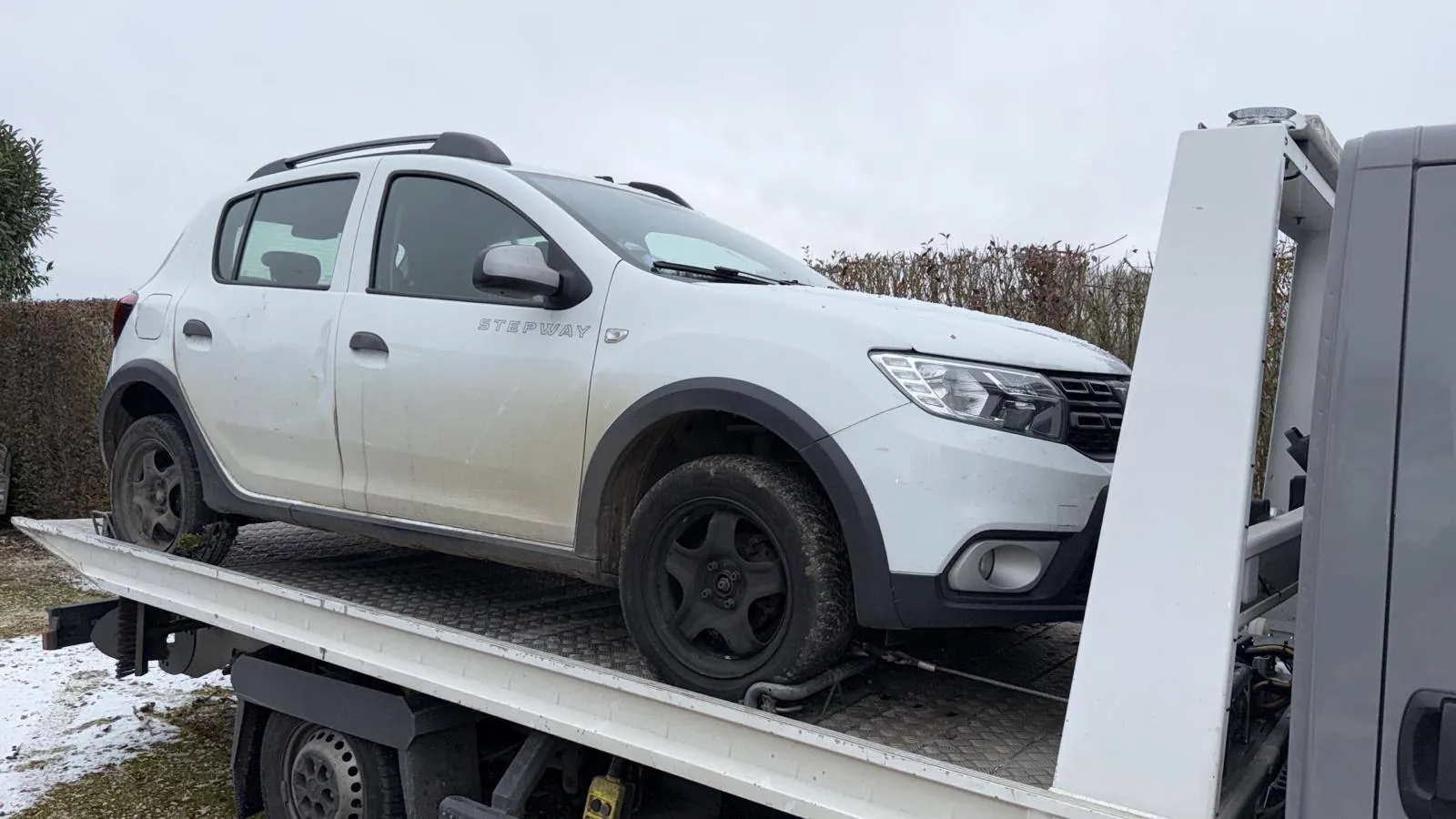
If you have a vehicle that has reached the end of its useful life — whether due to age, accident damage, mechanical failure, or simply because it is no longer economical to repair — now is an excellent time to consider scrap removal.
A typical end-of-life passenger car contains approximately:
- 800-900 kg of steel — currently worth significantly more due to the 30% surcharge increase
- 80-120 kg of aluminium — at $3,418/tonne LME, this represents a notable recovery value
- 15-25 kg of copper — from wiring harnesses, alternators, and motors
- 5-10 kg of other recoverable metals — including zinc, lead, and precious metals from catalytic converters
For electric vehicles, the material composition shifts significantly. An EV battery pack alone can contain 8-12 kg of lithium, 10-30 kg of cobalt, 30-60 kg of nickel, and substantial amounts of copper and aluminium. At current commodity prices, the recyclable value of an EV battery is substantial.
InterCar's scrap car removal service provides free collection and environmentally compliant processing. We ensure that every vehicle is recycled to the highest standards, with materials recovered and redirected into the manufacturing supply chain. You receive a competitive price for your vehicle, and you have the satisfaction of knowing it is being disposed of responsibly.
EV Battery Recycling: A Strategic Priority
The Iran conflict has added urgency to an issue that was already climbing the European policy agenda: EV battery recycling. As Europe scales up electric vehicle adoption — partly in response to the very fuel price volatility the conflict has caused — the question of what happens to batteries at the end of their life becomes increasingly critical.
Key considerations include:
- Critical mineral supply: Lithium, cobalt, nickel, and manganese are essential for battery production, and many of these materials are sourced from geopolitically sensitive regions. Recycling offers a domestic, stable alternative.
- EU Battery Regulation: The 2023 EU Battery Regulation establishes mandatory recycling targets and minimum recycled content requirements for new batteries. By 2031, new batteries must contain at least 6% recycled lithium, 6% recycled cobalt, and 6% recycled nickel — percentages that will increase over time.
- Economic value: At current commodity prices, the recoverable metals in a single 60 kWh EV battery pack can be worth €1,500 to €3,000 or more, depending on the chemistry and condition.
- Second-life applications: Batteries that are no longer suitable for vehicle use often retain 70-80% of their original capacity and can be repurposed for stationary energy storage — a market that is booming as grid operators seek to integrate more renewable energy.
InterCar's EV solutions division includes comprehensive battery assessment, refurbishment, and recycling services. Whether you are a fleet operator decommissioning electric vehicles or an individual selling an older EV, we ensure batteries are handled safely and their value is maximised.
The Circular Economy vs. Global Supply Chains
The Iran conflict provides a stark illustration of why the local circular economy is not just an environmental ideal — it is a strategic necessity. When global supply chains are disrupted by conflict, sanctions, or blockades, industries that depend on imported raw materials are exposed. Those that have invested in circular models — recycling, remanufacturing, and local sourcing — are far more resilient.
The environmental benefits of circularity are equally significant:
- Reduced carbon emissions: Recycling steel produces 58% less CO2 than manufacturing from iron ore. Recycled aluminium generates 95% less CO2 than primary production.
- Less mining: Every tonne of metal recovered from end-of-life vehicles is a tonne that does not need to be mined, reducing habitat destruction, water pollution, and social displacement in mining regions.
- Shorter supply chains: Locally recycled materials do not need to be shipped across oceans, eliminating the carbon footprint (and the risk) of long-distance transport.
- Energy security: Lower energy requirements for recycled material processing reduce Europe's dependence on imported fossil fuels — precisely the vulnerability the Iran conflict has exposed.
How Scrap Car Removal Contributes to the Solution
Every end-of-life vehicle that is properly recycled contributes to the circular economy. Rather than letting an old car rust in a driveway or be processed through unregulated channels, responsible scrap removal ensures that valuable materials are recovered, hazardous substances are safely handled, and the environmental impact is minimised.
The process is straightforward with InterCar:
- Request a quote: Contact us with your vehicle details for a free, no-obligation valuation
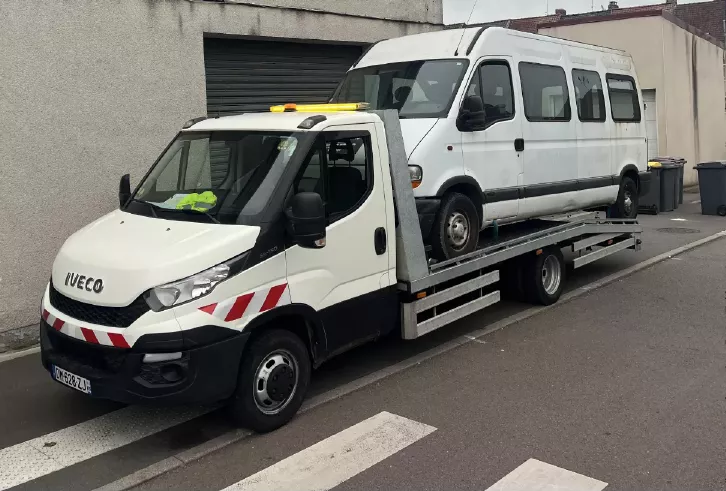
- Free collection: We arrange pickup at a time and location convenient for you — at no cost
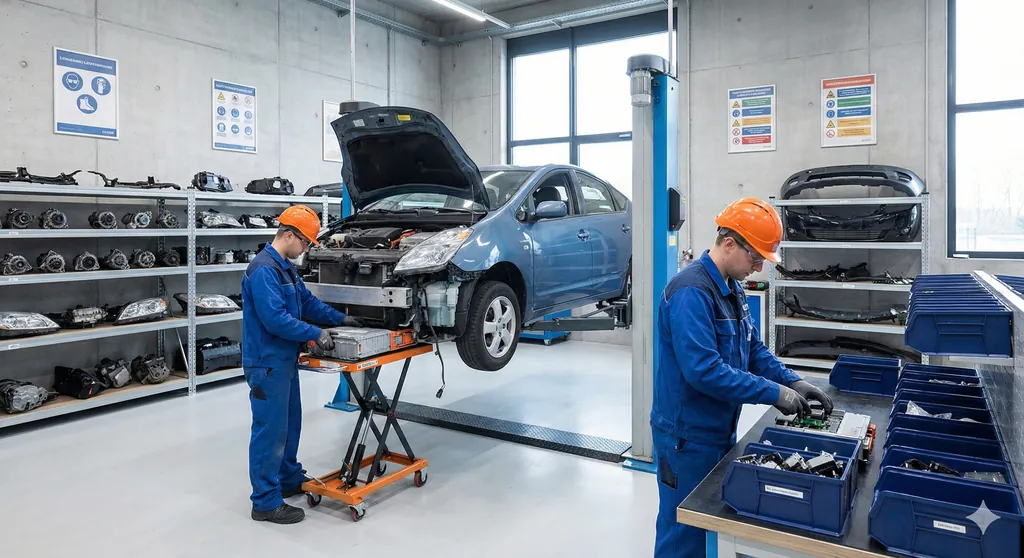
- Certified processing: Your vehicle is dismantled at an authorised treatment facility, in full compliance with EU End-of-Life Vehicle regulations
- Material recovery: Steel, aluminium, copper, precious metals, and other materials are recovered and redirected to European manufacturers
- Certificate of destruction: You receive official documentation confirming your vehicle has been legally and responsibly deregistered and recycled
Looking Ahead: A Sustainable Future for Automotive Materials
The Iran conflict, for all its negative consequences, has accelerated a conversation that the automotive industry needed to have: how do we build supply chains that are resilient, sustainable, and less dependent on geopolitically fragile global routes?
The answer lies in circularity. By investing in recycling infrastructure, supporting EV battery recovery, and ensuring that every end-of-life vehicle is processed to the highest standards, Europe can reduce its exposure to future supply shocks while meeting its ambitious climate targets.
At InterCar, we are proud to be part of this transition. From scrap car removal and vehicle recycling to EV battery solutions and vehicle buying, our integrated platform makes it easy to participate in the circular economy. Whether you have a single end-of-life vehicle or a fleet to decommission, contact InterCar today to discover how much your vehicle and its materials are worth — and how you can turn a crisis into an opportunity.